Benefits of Smart Home Security Systems: A Complete Guide
A safe home gives people something valuable: peace of mind. Today, technology makes that feeling easier to support every day. Home Security Systems can now connect cameras, sensors, alarms, locks, and mobile alerts in one setup. As a result, homeowners can stay more aware of what happens around their property. Smart features also enable families to react faster when something feels off. But choosing the proper technology is more than just buying the latest gadget. Every home has individual needs, entrance points, routines and hazards. So understanding how these systems operate might help homeowners make wiser decisions. It’s not about fear-mongering. In fact, good security technology may create awareness, ease and an extra layer of safety when it really counts.
1. Better Awareness Around Your Property
One of the biggest Benefits of Smart Home Security is better awareness. Instead of relying only on locked doors, homeowners can receive useful information about activity around the property. Motion sensors can detect movement, while cameras can provide visual information. Likewise, door and window sensors can show when an entry point opens.
This awareness can be especially useful when nobody is home. For example, a phone alert can notify a homeowner about unexpected movement. As a result, there is less need to wonder what caused a noise or alert.
A Residential Security Camera can also support this awareness by covering areas that are difficult to watch directly. However, camera placement and privacy should always receive careful attention.
Ultimately, better awareness does not mean watching everything constantly. Instead, it means having useful information when a genuine concern appears.
2. Faster Alerts Can Improve Response Time
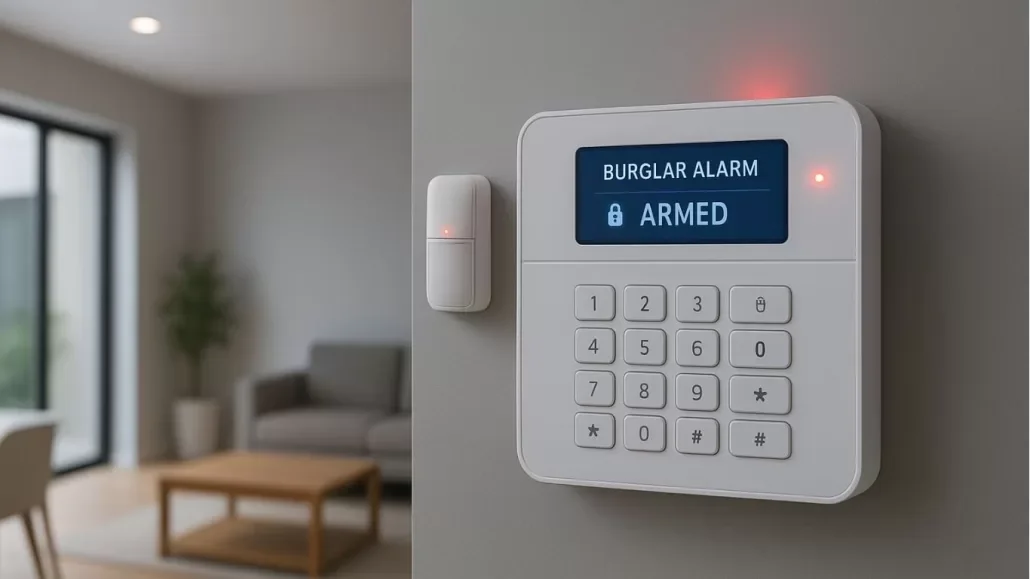
Sometimes time counts when something unexpected happens. Smart security systems will inform you when sensors detect activity. This way, householders are alerted to an issue before conventional security methods detect it.
When a door opens unexpectedly, for instance, a system might notify someone. Other potential dangers in the home can also be detected by smoke or water sensors. Notifications like these can get people's attention before a minor problem escalates.
A modern Home Security System Installation may combine several sensors instead of relying on one device. This creates several points of awareness throughout a property.
3. Remote Access Adds Everyday Convenience
Smart security makes monitoring your house easier from just about anywhere. Thanks to many interconnected technologies, homeowners can check chosen gadgets through a mobile app. This helps people stay in touch when working, traveling or visiting family.
Additionally, this function can bolster regular practices. As an example, a homeowner may look for signs of motion near an entrance or verify that a door is closed. Smart locks and lights are also compatible with some systems.
This connection between Home Automation and Security can make a property more convenient without removing basic safety habits. For instance, automated lights may make a home appear occupied during an evening away.
The main benefit is simple: homeowners can gain useful visibility without needing to be physically present.
4. Smart Technology Can Support Daily Routines
Security technology does more than respond to emergencies. It also fits easily throughout normal home routines. For example, connected locks can assist with access control, and smart lights can assist with visibility around entrances.
These features can help families create consistent habits. Parents may find it easier to check entry activity after school. Likewise, homeowners can review selected alerts when returning from work.
The value comes from reducing unnecessary effort. A well-planned security setup can handle routine monitoring in the background. Therefore, homeowners can focus on daily life instead of constantly checking every part of the property.
The Home Security Systems market also includes devices with different levels of automation. Some systems remain simple, while others connect several smart-home functions.
5. Cameras Can Provide Useful Visual Information
Cameras offer something sensors cannot: visual context. A motion alert may show that movement occurred, but video can provide more information about the event.
This can help homeowners understand whether an alert involved a person, animal, delivery, or another cause. As a result, people can make better decisions without relying only on assumptions.
Security Cameras in Corpus Christi, TX, and other areas can also face local conditions such as heat, humidity, storms, and changing outdoor conditions. Therefore, equipment should suit its intended environment.
Camera systems can cover entrances, driveways, garages, and other suitable areas. However, privacy should remain a major consideration. Cameras should avoid unnecessary views into private spaces.
6. Smart Systems Can Add Multiple Layers
No single security gadget can solve all of the various concerns. Instead, layered protection can provide more extensive security. For example, cameras can give visual information, and sensors can detect activities.
A smart alarm can add another layer by giving an alert when certain sensors are triggered. Connected lights may also increase visibility in some areas.
This layered strategy helps to minimize reliance on a single device. If one feature misses an occurrence, the other feature may still have important information.
Home Security Systems can therefore become more effective when different devices work together. However, every layer should have a clear purpose.
A useful setup may include:
Entry sensors for doors and windows.
Motion sensors for selected indoor spaces.
Cameras for important outdoor or indoor areas.
Alarms for immediate attention.
Environmental sensors for smoke or water concerns.
The exact combination depends on the property. A small apartment may need fewer devices than a large home with several entrances.
7. Choosing Security Technology With Care
Technology changes swiftly, but good security decisions should be realistic. Before selecting devices, homeowners should consider coverage, compatibility, privacy, maintenance, and ease of use.
As an example, wireless equipment has a lot of potential applications. Perhaps some houses benefit more from hardwired devices. Additionally, cloud-connected systems allow for remote access; nevertheless, they are highly reliant on internet connectivity.
Coverage: Consider which doors need sensors and which areas need cameras. Also, check whether all important entry points have suitable coverage.
Reliability: Plan for gadget maintenance and what to do in the event of a power loss. To support dependable functioning, backup alternatives are also available.
Privacy: Consider where cameras point and who can access recordings. Also, review how the system protects personal information.
Local conditions can also matter. In Texas, homeowners may consider heat, storms, and outdoor exposure when selecting equipment. Security Systems TX options should therefore match the property's environment and practical needs.
8. The Long-Term Value Goes Beyond Security
The value of smart security can extend beyond preventing unwanted entry. It can provide awareness, convenience, and support for everyday household routines.
A connected system may help homeowners notice unusual activity sooner. It can also provide useful information when they are away. Furthermore, selected automation features can make daily tasks easier.
However, technology should complement sensible habits. Strong doors, good outdoor lighting, secure windows, and careful access control still matter.
Smart Home Security Systems also require regular attention. Devices need working batteries, updated software, clean camera lenses, and reliable connections. Consequently, maintenance becomes part of long-term performance.
The biggest benefit is often peace of mind. Knowing that a property has several sensible layers of awareness can help homeowners feel more comfortable.
As technology continues to develop, the strongest security approach will remain practical, balanced, and focused on real household needs.
Frequently Asked Questions
What are the main benefits of smart home security systems?
Smart systems can provide remote alerts, camera access, motion detection, entry monitoring, and automation. Together, these features can improve awareness and convenience.
Are smart security systems difficult to use?
Many modern systems are designed for everyday users. However, ease of use depends on the devices, setup, app, and network involved.
Do security cameras work without the internet?
Some cameras can continue recording locally without internet access. However, remote viewing and cloud features commonly require an internet connection.
How often should smart security equipment be checked?
Regular checks can help identify dead batteries, connection problems, dirty lenses, and outdated software. The exact schedule depends on the equipment.
Are smart security systems worth considering for every home?
Every home has different needs. Property size, entry points, lifestyle, budget, and privacy preferences can all affect whether smart security technology makes sense.