How Far Can Wireless Security Cameras Transmit?
Modern Wireless Security Cameras have changed the way homeowners and businesses protect their properties. Unlike traditional wired systems, these cameras use Wi-Fi or radio signals to send video without long cable runs. However, one of the most common questions people ask is: How far can Wireless Security Cameras transmit?
The answer depends on several factors, including signal strength, obstacles, camera technology, frequency band, and network equipment. Some cameras work perfectly within a home, while others are designed as a long distance wireless camera solution capable of covering large properties, farms, warehouses, and commercial facilities.
This guide explains transmission distances, the factors that affect performance, and how to maximize your camera's range.
Understanding How Wireless Security Cameras Transmit Data
Unlike wired surveillance systems, Wireless Security Cameras transmit video through wireless communication. Most residential cameras rely on Wi-Fi, while professional surveillance systems may use dedicated radio transmitters or point-to-point wireless bridges.
Transmission does not simply refer to the distance between the camera and your phone. Instead, it measures how far the camera can reliably send video to a recorder, router, or receiver without losing signal quality.
Typical transmission methods include:
Standard Wi-Fi (2.4 GHz)
Dual-band Wi-Fi (2.4 GHz and 5 GHz)
Long-range wireless bridges
Cellular LTE/5G cameras
Proprietary RF transmission systems
Each technology offers different coverage and reliability.
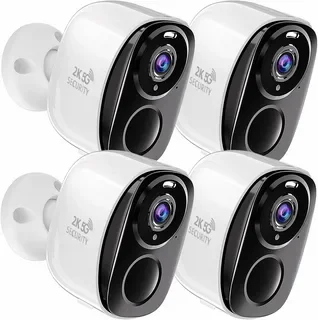
Average Transmission Range of Wireless Security Cameras
The actual range varies depending on installation conditions.
Indoor Range
Inside buildings, most Wireless Security Cameras transmit approximately:
100 to 150 feet (30–45 meters)
Walls, concrete, metal framing, mirrors, insulation, and electrical equipment reduce signal strength.
Outdoor Range
In open spaces with minimal interference:
300 to 500 feet (90–150 meters)
Professional outdoor systems equipped with directional antennas can transmit much farther.
Professional Long-Range Systems
A professional long distance wireless camera system using wireless bridges may transmit:
1 mile
3 miles
5 miles
Even over 10 miles with line-of-sight equipment
These systems are commonly used for:
Ranches
Farms
Construction sites
Oil facilities
Large commercial campuses
Remote entrances
What Affects the Transmission Distance?
Several factors determine how far Wireless Security Cameras can transmit.
Wi-Fi Frequency
2.4 GHz
Advantages:
Longer range
Better wall penetration
Stable outdoor coverage
Disadvantages:
Slower speeds
More interference from household devices
5 GHz
Advantages:
Faster video transmission
Higher bandwidth
Better for 4K cameras
Disadvantages:
Shorter range
Weaker penetration through walls
Many modern cameras automatically switch between both frequencies.
Physical Obstacles
Objects between the camera and router greatly affect transmission.
Common signal blockers include:
Concrete walls
Brick
Metal siding
Steel buildings
Trees
Elevation changes
Thick insulation
Even one concrete wall can reduce wireless performance significantly.
Router Quality
Many transmission issues are caused by older routers rather than the camera itself.
A high-quality Wi-Fi 6 router provides:
Stronger signal
Better coverage
Lower latency
Improved stability
Higher device capacity
Investing in networking equipment often improves camera performance more than replacing the camera.
Antenna Design
Professional surveillance cameras frequently include:
High-gain antennas
Directional antennas
External antennas
These antennas focus wireless energy toward the receiver instead of broadcasting equally in every direction.
Weather Conditions
Outdoor installations experience environmental interference.
Heavy:
Rain
Snow
Dense fog
Strong winds
Humidity
can slightly reduce wireless transmission, especially over very long distances.
Can a Long Distance Wireless Camera Work Without Wi-Fi?
Yes.
Some professional systems do not depend on home Wi-Fi.
Instead, they use:
Wireless bridges
Point-to-point radios
Cellular data
Mesh networking
These technologies allow surveillance across very large properties without relying on traditional residential internet coverage.
How to Increase the Range of Wireless Security Cameras
If your camera struggles with connectivity, several improvements can extend transmission distance.
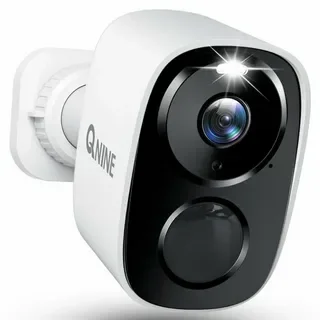
Move the Router
Position the router:
Higher off the floor
Near the center of the building
Away from metal objects
A better router location often improves coverage immediately.
Install Wi-Fi Extenders
Wireless repeaters rebroadcast the signal to reach difficult areas.
They work well for:
Detached garages
Large homes
Barns
Workshops
Use Mesh Wi-Fi
Mesh systems create multiple wireless access points that provide seamless coverage throughout the property.
They are excellent for multiple outside cameras for home wireless installations.
Upgrade the Antennas
Higher-gain antennas improve both reception and transmission distance.
Many professional cameras support replaceable antennas.
Use Wireless Bridges
Wireless bridge kits provide one of the most reliable long-range solutions.
Instead of extending Wi-Fi, they create a dedicated communication path between buildings.
This is often the preferred choice for commercial surveillance.
Choosing the Right Outside Cameras for Home Wireless
Outdoor surveillance requires more than long transmission distance.
Reliable outside cameras for home wireless should also include:
Weatherproof housing
Night vision
Motion detection
Two-way audio
High-definition video
Mobile app access
Local and cloud recording
Strong Wi-Fi performance
Proper installation is equally important to maximize signal strength and image quality.
Homeowners seeking dependable property protection often explore professionally designed surveillance layouts before choosing Solar powered security cameras in Victoria, TX, ensuring solar efficiency, battery performance, weather resistance, and reliable wireless communication are carefully matched to the property's unique security requirements.
Understanding the Distance From Earth Wireless Camera Concept
The phrase distance from earth wireless camera often appears in online searches but can be confusing.
In most cases, users are actually referring to:
Very long transmission distances
Remote monitoring
Cameras installed far from buildings
Rural surveillance systems
Professional wireless surveillance can monitor locations miles away using wireless bridge technology or cellular communication, but every installation still depends on clear signal paths and suitable networking equipment.
When Is a Long Distance Wireless Video Camera Necessary?
A long distance wireless video camera becomes valuable whenever the monitoring location is far from the recording equipment.
Examples include:
Farms
Ranch entrances
Industrial yards
Parking lots
Remote gates
Storage facilities
Utility stations
These installations often require specialized antennas and engineered wireless links to maintain stable video transmission.
Businesses planning large-scale surveillance projects frequently evaluate customized network design, commercial-grade antennas, and professional Long range wireless Camera installation in Round Rock, TX to achieve dependable connectivity across expansive properties while maintaining high-definition video quality and consistent long-distance signal performance.
Why Professional Installation Matters
Many wireless performance problems result from incorrect placement rather than camera quality.
Professional installers evaluate:
Line of sight
Signal interference
Router placement
Mounting height
Antenna direction
Network bandwidth
A properly designed surveillance system consistently outperforms randomly installed cameras.
Property owners expanding commercial security often benefit from expert site planning before investing in Long Range Wireless Security Camera in Corpus Christi,Tx, where environmental conditions, transmission distance, network infrastructure, and equipment positioning all contribute to long-term surveillance reliability.
Why Choose Red Alarm?
Red Alarm specializes in advanced surveillance solutions designed for residential and commercial properties. Whether you need standard Wireless Security Cameras, a long distance wireless camera, or enterprise-grade wireless monitoring, professional planning ensures reliable coverage, stronger transmission, and dependable security where it matters most.
Choosing the right equipment, optimizing network infrastructure, and installing cameras strategically can dramatically improve wireless performance while reducing future maintenance and connectivity issues.
Frequently Asked Questions
How far can Wireless Security Cameras transmit?
Most residential cameras transmit between 100 and 500 feet depending on obstacles. Professional long-range systems can exceed several miles using wireless bridge technology.
Does Wi-Fi affect Wireless Security Cameras?
Yes. Router quality, signal strength, interference, and frequency all directly affect transmission distance and video stability.
Are outside cameras for home wireless reliable?
Yes. Modern outdoor cameras provide excellent reliability when installed correctly and connected to a strong wireless network.
Can a long distance wireless camera work without the internet?
Yes. Many professional systems transmit video using wireless bridges or proprietary radio links without relying on traditional internet connections.
What is a distance from earth wireless camera?
The phrase generally refers to cameras installed in remote locations that require extended wireless transmission rather than standard home Wi-Fi coverage.
Is a long distance wireless video camera suitable for farms and businesses?
Absolutely. Long-range wireless systems are commonly used on farms, warehouses, industrial facilities, construction sites, and other large properties where conventional Wi-Fi cannot provide adequate coverage.