Outdoor vs Indoor Security Cameras: What You Need
When planning a modern surveillance setup, one of the most important decisions is choosing between indoor and outdoor cameras. At Red Alarm, we often guide homeowners through the key differences in outdoor vs indoor security cameras so they can build a system that actually matches their property needs, environment, and security risks in 2026.
Both camera types serve different purposes, and using the right combination is what creates a complete, reliable security system.
Understanding Outdoor vs Indoor Security Cameras
The main difference in outdoor vs indoor security cameras comes down to environment, durability, and purpose.
Outdoor cameras are designed to monitor external areas like driveways, entrances, and yards, while indoor cameras focus on monitoring inside spaces such as living rooms, hallways, and offices.
Outdoor units are built to handle harsh weather conditions, while indoor cameras prioritize discreet design and clear interior monitoring.
Weather Resistant Security Cameras for Outdoor Use
A key feature of weather resistant security cameras is their ability to operate in rain, wind, dust, and extreme temperatures.
These cameras are built with sealed casings and protective materials that prevent moisture and debris from damaging internal components. Without this protection, outdoor cameras would quickly fail in real world conditions.
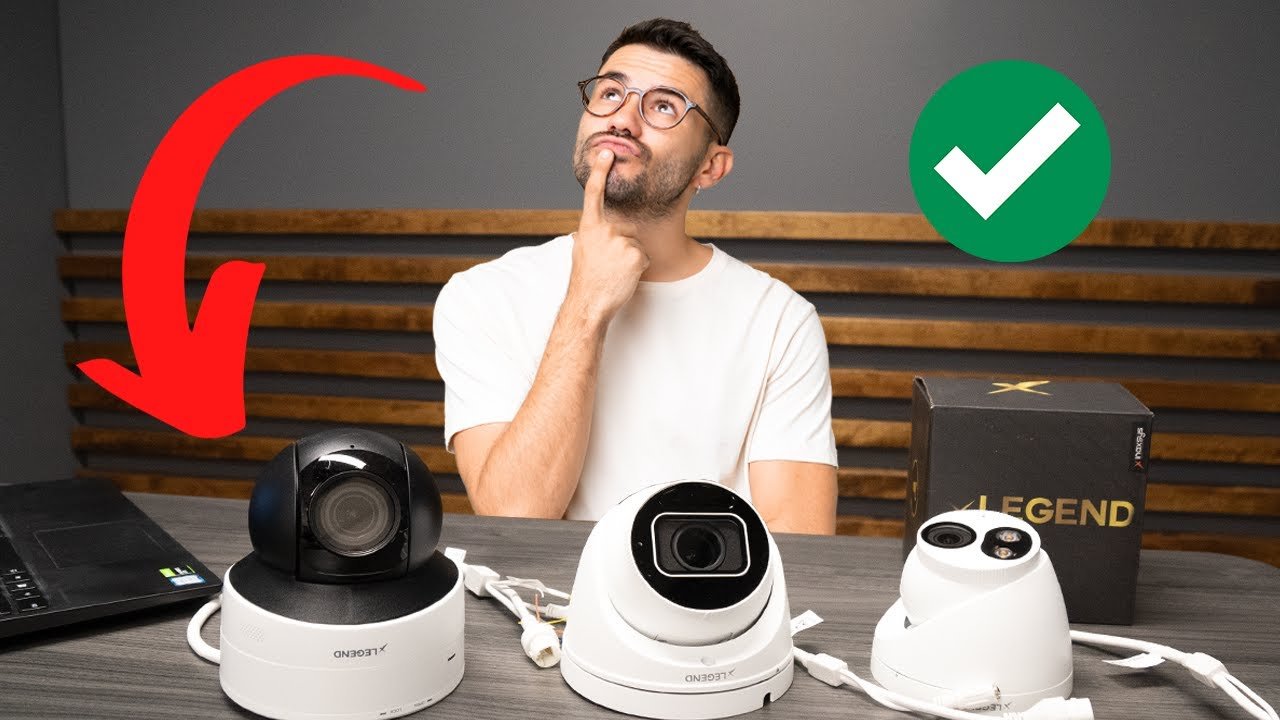
Waterproof Outdoor Cameras Rating Explained
When selecting outdoor systems, understanding waterproof outdoor cameras rating is essential. Most outdoor cameras come with IP ratings that indicate their resistance to water and dust.
Higher ratings mean better protection against heavy rain and environmental exposure. This is especially important for homes in areas with unpredictable weather patterns.
Indoor Camera Usage Conditions
Unlike outdoor systems, indoor camera usage conditions are much simpler. Indoor cameras do not require weatherproofing but must be designed for stable lighting and interior environments.
They are typically used for monitoring entryways, kids, pets, or internal movement within the home.
Heat and Rain Protection Cameras for Harsh Weather
Outdoor environments require heat and rain protection cameras that can function in extreme temperatures and heavy rainfall.
These cameras are built with temperature resistant materials and protective housing to ensure consistent performance throughout seasonal changes.
Durability of CCTV Systems in Real Environments
The durability of CCTV systems depends heavily on build quality, installation method, and environmental exposure.
Outdoor systems face more wear and tear due to weather, while indoor systems typically last longer due to controlled environments. Choosing the right type for the right location improves overall system lifespan.
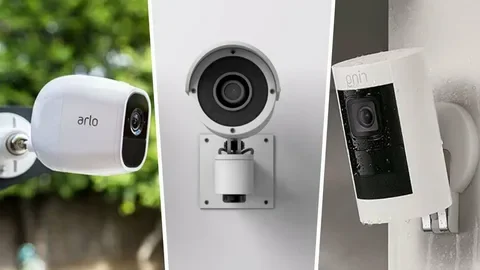
Outdoor Camera Casing Protection Features
A major factor in outdoor performance is outdoor camera casing protection. These casings shield internal components from dust, water, and physical damage.
Strong housing materials also help prevent tampering or vandalism, making outdoor cameras more secure in exposed locations.
Smart Security Cameras 2026 Technology
Modern smart security cameras 2026 are far more advanced than traditional systems. They include AI powered detection, facial recognition, and smart alerts that reduce false alarms.
These systems can differentiate between humans, animals, and objects, improving accuracy and reliability.
Mobile App Camera Monitoring for Remote Access
One of the biggest advantages today is mobile app camera monitoring. Homeowners can view live footage, receive alerts, and control camera settings directly from their smartphones.
This allows real time awareness of property activity from anywhere in the world.
Cloud Storage Security Cameras Benefits
cloud storage security cameras store footage online instead of local devices, reducing the risk of losing data due to theft or hardware damage.
Cloud storage also allows easy access to past recordings from any device, making it more convenient for users.
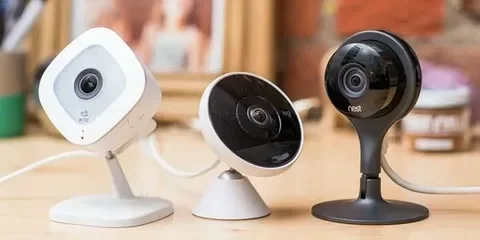
AI Motion Detection Cameras for Smart Alerts
Modern AI motion detection cameras reduce false alarms by analyzing movement patterns instead of reacting to every motion.
This helps distinguish between normal activity, such as pets moving, and real security threats like intruders.
Remote Access CCTV System Advantages
A remote access CCTV system allows users to monitor their property from anywhere using internet connected devices.
This feature is especially useful for frequent travelers or business owners who need constant visibility of their premises.
Smart Home Surveillance Integration
Modern systems now support smart home surveillance integration, connecting cameras with smart locks, alarms, and voice assistants.
This creates a fully connected security ecosystem where all devices work together for better protection and automation.
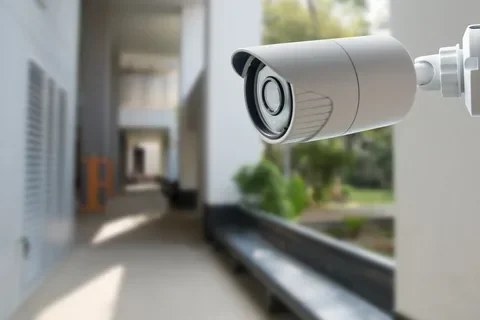
Final Thoughts on Outdoor vs Indoor Security Cameras
Choosing between outdoor vs indoor security cameras is not about picking one over the other—it’s about using both strategically. Outdoor cameras protect the perimeter, while indoor cameras secure internal activity.
At Red Alarm, we recommend a balanced setup that combines weather resistant outdoor units with smart indoor monitoring for complete coverage. With today’s advanced features like AI detection, mobile access, and cloud storage, building a reliable security system has never been easier.
Frequently Asked Questions
Do I need both indoor and outdoor security cameras?
Yes, combining both provides full coverage of your property from external and internal threats.
Are outdoor cameras weatherproof?
Most outdoor cameras are weather resistant and come with IP ratings for rain and dust protection.
Can I access security cameras remotely?
Yes, modern systems allow mobile app and remote access from anywhere.
Do AI cameras reduce false alerts?
Yes, AI motion detection cameras help reduce false alarms by analyzing real movement patterns.